We accept
Medicare Advantage plans to fit your dental needs.
Medicare Advantage plans to fit your dental needs.

Most likely you’ve been hearing about the dangers of cavities and tooth decay since your youth. However, there is another, more silent disease that you should have been hearing about as well. Gum disease, AKA periodontal disease in the clinical term, forms when the bacteria in plaque accumulates on your teeth and starts to irritate and inflame your gums. Brushing twice daily for two minutes removes some plaque, but you also need to floss and get regular dental cleanings. Plaque not removed regularly can turn into tartar, which is hardened plaque and needs a professional cleaning to remove. Gum disease starts out as gingivitis, which is gum inflammation, and can progress to a destructive form of gum disease called periodontitis.
Gums have an important function. They protect the bone holding the tooth sockets and act as a barrier against the bad bacteria in your mouth. Without healthy gums providing a seal, inflammation can enter the bloodstream and travel throughout the body.
Gum health is also important as unhealthy, infected gums cause bad breath and look unattractive. Healthy gums are pink and frame teeth nicely. With gum disease, the gums swell, look puffy and are usually bright red or purplish. They detract from your smile.
Periodontal disease is age related. According to the Centers for Disease Control and Prevention, nearly half of all Americans age 30 or older have periodontitis. About 70 percent of Americans age 65 and over have the disease. Children rarely get gum disease, but teenagers can get gingivitis if they don’t brush and floss properly. Gum disease is also gender related, affecting more men than women.
According to the NHS, gum inflammation can slowly damage the blood vessels in the brain and heart. This will increase your chance of having a heart attack or a stroke. Also, you may be more likely to develop a heart condition or diabetes, but that depends on many other factors as well. The good news is that you can reduce your risk of developing these conditions by taking good care of your gums and visiting the dentist regularly.
Causes and Risk Factors for Gum Disease
Gum disease develops when there is an accumulation of plaque along the gum line. Poor brushing and flossing habits are almost always to blame. The bacteria in plaque irritates the gums, causing gingivitis. With treatment, this early form of gum disease is curable. Without treatment, gingivitis can turn into periodontitis. At this stage, gum disease isn’t reversible, but it can be managed to control the infection and prevent possible tooth loss.
Risk factors that make people more susceptible to developing gum disease include:
You need to be careful with gingivitis because most people don’t even know they have it. Most of the signs and symptoms of gum disease may not be very intense and won’t include pain. However, for those that do have symptoms, they may include some of the following:
If you notice any of these signs, schedule an appointment with a dentist for an exam.
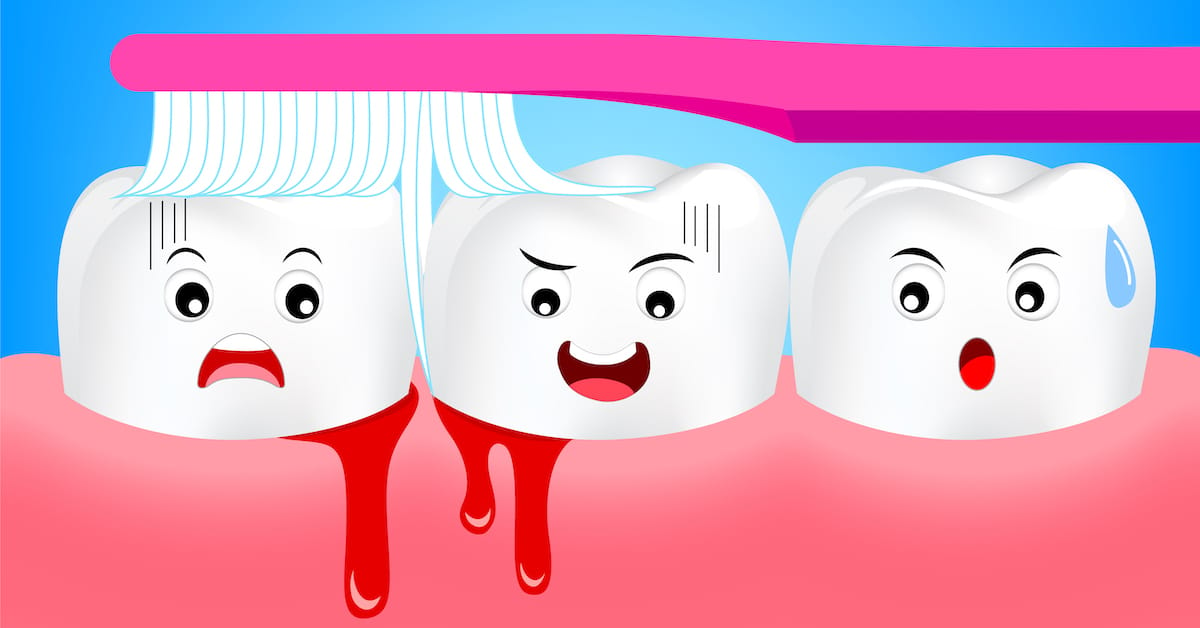
Gingivitis is a form of gum disease caused by plaque buildup on the teeth at the gumline. If you have gingivitis, your gums become inflamed and swell. They may also bleed easily when you brush or bite into hard food. It is an inflammation of the gums that causes redness and swelling. If left untreated, gingivitis can advance to a more severe form of gum disease. Treatment usually consists of a dental cleaning and improved dental hygiene.
When gingivitis progresses, it turns into periodontitis, and there are several kinds you can develop. It all depends on your risk factors and lifestyle.
Protecting your gums from disease isn’t difficult, just follow these recommendations:
A dentist in Lake Katrine can help you determine your current gum health and make suggestions on how to improve it.